Loading...

Resources

Policy Toolkit for Environment Education and Teaching

A research-based toolkit from the ASSET Project offering policy recommendations to strengthen climate education, enhance teacher training, and promote hands-on sustainability learning in schools across Europe.

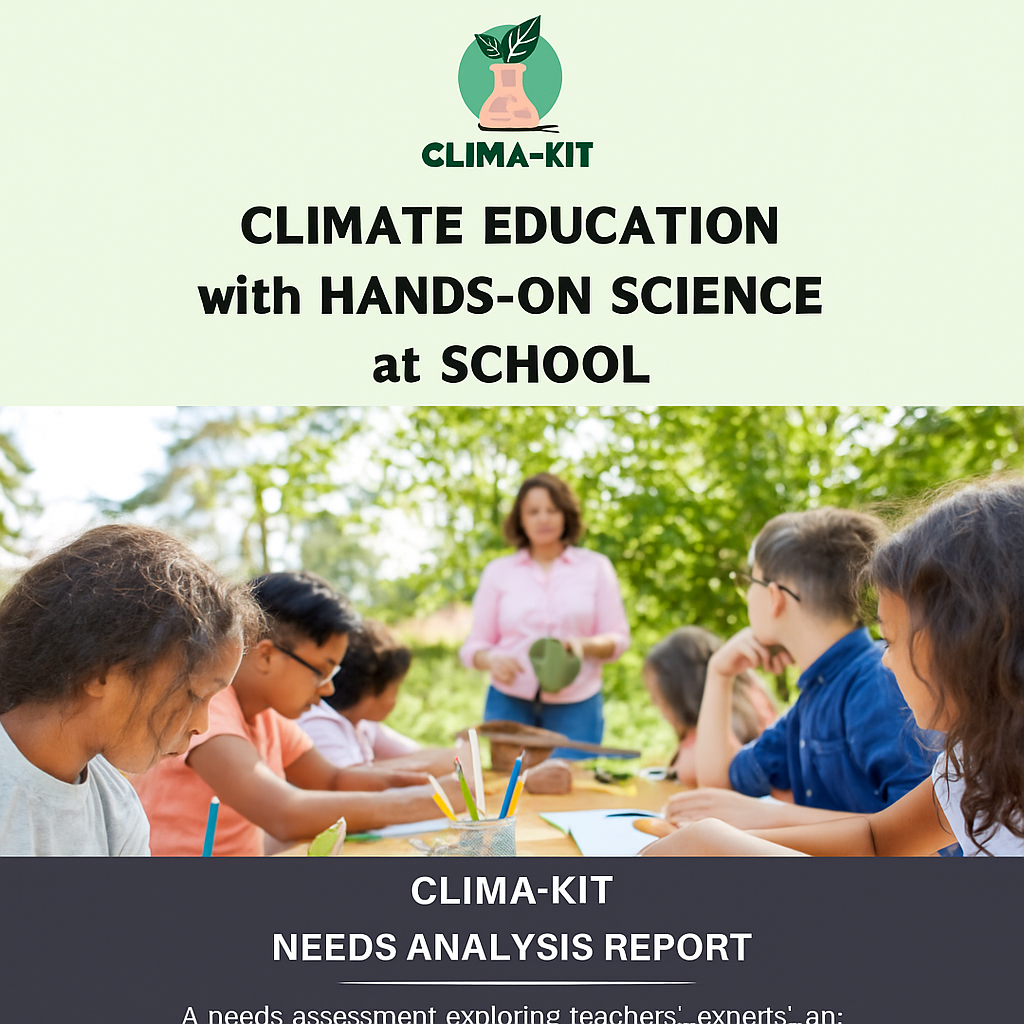
Climate Education in Schools: Insights from Teachers, Experts, and Students

A needs assessment exploring teachers’, experts’, and students’ views on climate education in Belgium and Turkey, identifying key gaps, challenges, and opportunities for the Clima-Kit project.

Climate-Friendly Cuisine: Needs Analysis Report for Zero Carbon Restaurant and Food Sector

This report analyzes the challenges, needs, and opportunities for sustainable kitchen practices across Belgium, Italy, Turkey, and the Netherlands. It highlights key barriers such as economic constraints, regulatory gaps, and resource accessibility, and proposes tailored training, awareness, and collaboration strategies to support a climate-friendly culinary sector.
Needs of Young People with Spinal Cord Paralysis: Field Research Report

The report explores the daily challenges faced by young people with spinal cord injuries and highlights ways to support their social participation and confidence through inclusive approaches.

Digital Capacity Development for Youth Workers in Cultural and Creative Industries

The Digi-CCI Training Program enhances youth workers’ digital skills in the Cultural and Creative Industries by combining creativity, technology, and non-formal learning. Through blended training formats, it equips participants with practical tools to integrate digitalization, AI, and AR into inclusive and innovative youth work.

Youth Voices on Climate Change: Needs Assessment Report

The ECHOES Needs Assessment Report explores the knowledge, engagement, and support needs of youth workers and young people in climate action across Europe. The findings reveal significant gaps in climate awareness, policy participation, and access to resources, while emphasizing the urgency of empowering youth voices through training, education, and advocacy tools to drive meaningful environmental change.

Why Adaptation Finance Still in Shadows

This concise policy note explores why adaptation finance continues to lag far behind mitigation efforts, despite rising climate risks. It highlights structural barriers, political incentives, data gaps, and global finance dynamics that keep adaptation underfunded. The note also outlines actionable recommendations to bring adaptation out of the margins and into core climate strategies.

Top